8 Demos for Biology

Are you looking for ways to hook your student’s attention in the upcoming year? This might be a challenge if your school is starting the year virtual or hybrid and if you are accustomed to using hands-on and group activities to engage your students. Since we can’t let students work together, I’ve put together a list of biology demonstrations you could do in front of a group of students in a classroom or during a virtual class given over the Internet. It might not be as fun as letting students experience the process themselves, but I think demonstrations give great visuals that hook students into the lessons and help consolidate hard concepts. Here are 8 demos that you can use in a biology or life science class.

  1. Water Demos

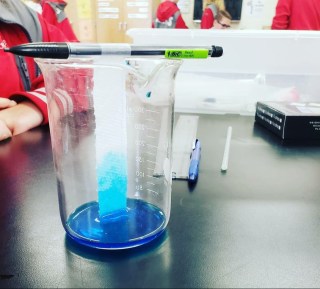
There are so many cool demonstrations you can do to show different properties of water! You can use pennies and a water dropper to show surface tension, string and colored water to show adhesion, (see this video), and colored water and paper towel to show capillary action just to name a few. I think all of these would translate well to a virtual class session on Zoom or Google hangouts or you might  even be able to have students do some of these activities in class if you have enough materials for each student. Or better yet, make it a challenge for students to try the adhesion activity with string and colored water at home. Have them document how it went by taking pictures or making a video and explain what is happening. Or challenge students to find examples of cohesion, adhesion, and capillary action around them homes and take pictures of what they find. This is a great way to get them away from the computer for a little while!
20200806_105550
One of my students demonstrates capillary action using paper towel and color water. 
  1. Testing for Macromolecules

Rebecca over at It’s Not Rocket Science has a great lab for testing for macromolecules and when I taught biology I looked forward to doing it every year! Unfortunately, students won’t be able to do this groups like normal, but I still think you could do this as a demo in front of students if you are in the classroom next year. Becca’s lab sets up a scenario in which there is a murder victim and students must investigate the contents of the victims stomach to figure out where they had their last meal and who murdered them. I think if you played this up a lot, the demo could be just as exciting as a lab they do themselves. However, if you are teaching virtually next year, this is trickier. You could easily test for starches and fats using iodine and a brown paper bag, but most of us don’t have Benedict’s or Biuret’s solution at home to test for proteins and simple sugars. My suggestion would be to use a standard lab and start the demonstration with your class during a virtual session and show them how iodine can test complex sugars and a brown paper bag can test for fats. Then students could watch YouTube videos on their own to see how we can test for proteins and simple sugars. (I think this video and this video walk through the steps very nicely) Not quite as fun as doing it class, but students should get the picture or how different foods contain different macromolecules.

  1. Cell Size

Becca, who writes the blog Science Lessons That Rock, has a great lab for demonstrating the importance of cells size that uses beets and bleach. I have not tried this lab with students, but I’ve always wanted to! The set up looks pretty easy and it looks like you could do this in class or virtually. (Becca also has lots of other great resources for teaching cells so check out her blog!)

  1. Osmosis

When I taught biology, students often had difficulty learning about cell transport and I found that visuals and labs really helped. There are many well known labs for teaching osmosis that use eggs, gummy bears, cucumbers, potatoes, or raisins. Personally if I was doing this as a demo for my students in class or online, I would probably do the raisin lab with sugar water (something like this). I’d set it up 24 hrs. in advance and show students the difference between the raisins hypotonic and hypertonic solution. If you don’t have access to a food scale, I think the visual of the swollen raisins vs the wrinkled raisins still works. Make sure to follow up your demonstration with a discussion or visual about WHY the water moves into or out of the raisin depending on the solution they are in.

  1. Fermentation

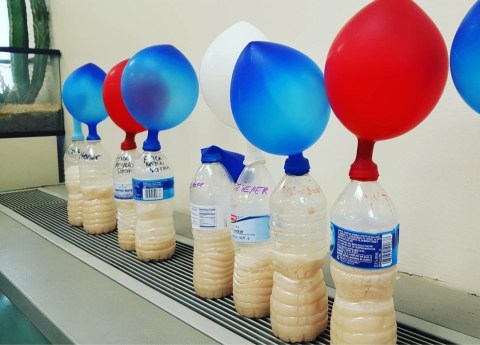
I always loved doing fermentation labs with my students when I taught biology. I especially loved how my room smelled! A lab like this, could easily be turned into a demonstration. The materials are easy to find around the house (as long as we don’t have another yeast shortage!) and it’s fairly simple to set up. However, I know that some teachers have difficulty getting the yeast to respirate if they don’t have a warm spot to put the bottles. If you are at doing this home for a virtual class, you might be able to preheat your oven and set the bottles on top of your warm stove (just like you are actually making bread) and that should help the yeast do their thing. If you are at school, a warm water bath might work too. I also used to do a project where students had to make something with yeast at home, take pictures of the process, and answer a couple questions. You could have students do this on their own and then have a bread eating party during your next virtual class time.
20200806_105523
An example of how my students tested the affect of yeast on sugar. We were able to place these on a heater in my classroom to get the yeast to respirate.
IMG_20180226_153333_581
Delicious treats made with yeast made by my students!


  1. Respiration

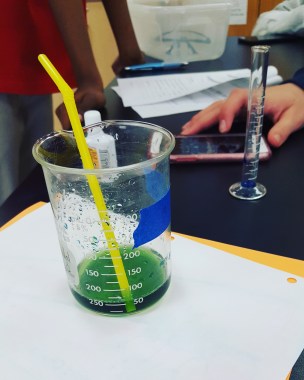
When I taught Biology, I usually did a lab in which students tested the effect of exercise on cell respiration using bromothymol blue. You can find a lot of free labs for this online and I think this could work as a demo or could be done virtually. You can find a demo of this lab here. If I was in front of a group of students I might explain the set up to my students have them do some research about bromothymol blue and have them make a prediction about what would happen when I blew air into the bromothymol solution. If I was doing this virtually, I might even have students time how long it takes for the solution to turn color when I’m resting, then jog in place for a minute (if you feel comfortable and able doing this over a Zoom class), then have them time how long it takes for the solution to turn color after exercise. You might have to buy some bromothymol blue if you are doing this at home, but it isn’t very expensive.
IMG_20180308_164554_583
One of my students turns a bromothymol blue solution green using carbon dioxide from their breath. 
  1. Photosynthesis

Along with cell respiration, photosynthesis can be a really hard concept for students to grasp and labs involving photosynthesis can sometimes be tricky. I’ve done labs with Elodea plants with varying success and I know labs that involve the leaf discs can be frustrating for students when they can’t get them to sink. This lab might work as a demonstration and I’ve greater success with this lab than others. It involves putting Elodea into a carbon dioxide and water solution and watching the bubbles produced when it is placed in a dark place vs. when it is placed in a lighter place. I think you could do this as a demo at school or at home and show students the results over a virtual class session. The materials are things you can easily get at a grocery and pet store. If you don’t have a bright lap to use, you could set up two jars and place one in a sunny window and one in a dark closet. Take the jars out right before class, and your students should be able to see that the plant placed in a sunny place is producing more bubbles thus undergoing photosynthesis at a faster rate.

  1. Strawberry DNA

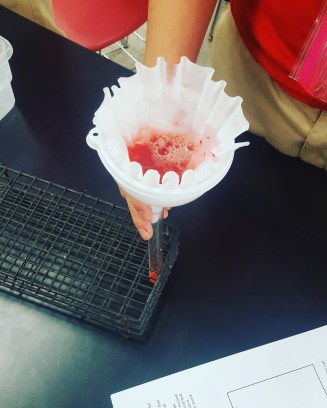
This classic strawberry DNA lab can easily be set up at home for a virtual or done in front of students. The visual of the DNA is something that always interested my students when I taught biology. This can be used to teach about DNA, but also polarity, cell membranes, and density.
IMG_20180517_165842_010
This lab that extracts the DNA from a strawberry could be used as a demonstration in front of class instead of doing it as a lab. 

This year is going to look so different from every other school year and I know that stress levels are running high as we plan for what is ahead. That being said, you don’t NEED to do labor intensive demonstrations if it seems like it’s going to stress you out. I know that some of these activities require a lot of materials and need to be set up ahead of time and if you don’t have the time or the space, then don’t feel pressure to do demonstrations! Or just pick one or two really simple demos and commit to those. If there was ever a year to focus on making teaching simple, this is the year!
giphy
Source

Anyway, I hope these are helpful and that you find something that will work in your classroom. 🙂

Take Care!
signature

Seven New Things I Did In The 2019-2020 School Year!

Oh, 2019-2020. This school year has been a year full a changes for me, as I’m sure it has been for you as well. As of this writing, we have finished up a school year that concluded with pretty much every school in America trying to do online or at-home learning due to the coronavirus pandemic and we are currently staring down an upcoming school year full of uncertainty.

3ubddj
Source: imgflip

For me, I also started teaching at a new school in August 2019 after teaching at my previous school for 5 years so the whole year kind of felt like a giant upheaval. With so much change, I got the opportunity to try some things in the classroom and was forced to do new things with online teaching in the spring as I’m sure you did too! So after some reflection, I want to focus on some of the successful and fun new things I did with students this year. So I give you my top 7 new things I did this year with success. (For reference I mostly taught high school anatomy this year so some of these activities are specific to an anatomy class, but some of these ideas can work in a middle school science classroom or in a classroom of any subject area.)

Also, some of things mentioned below might not be applicable to the classroom next year if we are teaching online or if we are not allowed to do labs in groups, but some are things that can work online or in a socially distanced classroom. I hope you find something here you can use in your classroom!


  1. Rat Dissection

For the first time this year I taught anatomy with another teacher and got to see some different ways to do things in the anatomy classroom. One of things I was most taken aback by was that my new co-teacher typically does a rat dissection in the beginning of the year in addition to a pig dissection in the spring at the end of the year. At first I found this very interesting, but after I completed it with my class I realized that it was genius! A full dissection right at the beginning of the year is a great was to introduce all the body systems all at once, it forces students to use the anatomical terms and directions they have been learning from the get go, and it gets students EXCITED. The first unit of anatomy can be intimidating to students (it’s full of terms they have never heard of) but I think the dissection helped hook them in even though the first impressions of the class can be overwhelming. It was also nice to be to refer back to the dissection throughout the year. (“Do you remember the spleen during the rat dissection? It was that really dark red organ on the right side toward the back of the rat?”) I realize that two full dissections can be costly, but if your school can afford it or if you have a small anatomy class, a big dissection at the beginning of the year can be really helpful and meaningful for students. I have been buying dissection specimens from a company called Biology Products for a couple years and I like their specimens. They do use formalin in their preservation fluid, if that bothers you, but I find it worth it for the price.

  1. Chicken Wing Dissection

Another new dissection I did this year was the chicken wing dissection during our muscle unit and this is so simple and straight forward, I don’t know why I haven’t done it sooner. Chicken wings can be purchased pretty cheap and it’s a nice way to help students tie together the skeletal and muscular systems. Something I want to work going forward with anatomy is better showing how body systems work together and that they don’t just work in silos sperate from each other. Also this lab can be simplified for middle school or made more complex for high school. So versatile! You can find lots of different versions of this lab by just Googling “chicken wing dissection lab”.

  1. Spirometer Lab

Testing for lung volume was a new lab I did during our respiratory unit and I tried it two different ways with different classes. With my lower level students I used this lab from Biology Corner using a balloon to get a rough estimate of lung capacity. With my upper level students I use a lab from my co-teacher (similar to this one) that used lung volume bags. Of the two labs, I think the lung volume bags worked a lot better and students got a kick out of seeing their estimated lung volumes. Obviously, I don’t know if we will be able to do this lab next year with the threat of the corona virus still eminent, but this lab was fun for students and I will do it again when it is safe to do so. The lung volume bags and parts are pretty simple and not too expensive. Also I think the lung volume lab from Biology Corner could work in a math class learning to calculate the volume of a sphere.

  1. Digital Escape Room

I have done one escape room that I made myself a couple years ago with some success but this May, as my students losing interest in online learning, I purchased this premade digital escape room for my students to change things up a little. It was a slightly different way for students to review what they had learned and they seemed to enjoy it. It worked well over Zoom (I put students into breakout rooms and emailed them the different levels as they worked through each one) and it I think it was a nice way for students to not only to see what they knew and didn’t but it gave them a little time to interact with each other in small groups as well. Over the summer I plan on trying to make my own digital escape rooms for a couple units. I much prefer doing escape rooms manually with locks or puzzles they do together in person, but I think the digital escape rooms with be great with the adjustments we will have to make next year with COVID-19.

  1. Digestion Demo

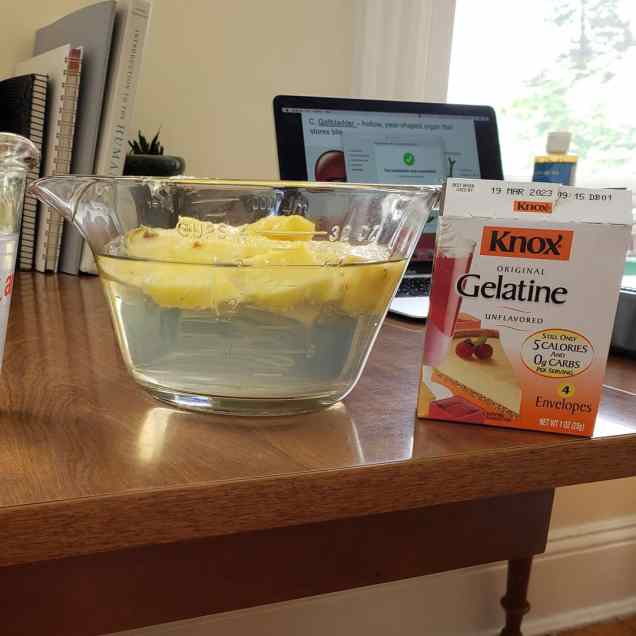
Since we couldn’t do a lab during our digestion unit this year, I did a demonstration over zoom that showed the digestion of carbohydrates, proteins, and lipids. I had students fill out a handout during the Zoom where they simply listed what they observed and what they thought was happening. After the demonstrations we discussed how each molecule was digested and how it connected to what happens in the digestive system. This seems to work really well as it gave students a visually of digestion even if it was over Zoom and not in-person. I plan on making a list of other demos that will fit in and help students understand concepts in anatomy for next year since I’m not sure if we’ll be in the classroom again or if we will be able to labs in groups like we usually do.

IMG_20200514_164206_552
You can use pineapple (which contains an enzyme called bromelain) to show how enzymes digest protein, like the collagen in gelatin.
  1. Podcasts

During online learning in the spring I was looking for ways to keep things fresh and interesting as I felt like students were losing motivation and interest in school as it became more clear that we would probably not be returning to in person classes at all in 2020. Giving students a podcast to listen to and some simple questions to answer seemed to interest my students and I think it is a great way to help students learn new material and practice listening skills. It’s also a way for students to hear from experts in the field and they hear stories that might new otherwise get from reading an article or textbook on the subject. It’s also just a nice way to change things up a bit if students have been doing a lot of reading or watching videos for your class. This year I had students listen to podcasts about the Tuskegee Syphilis study, the coronavirus, and (my personal favorite) a short one about giardia. There are loads of good podcasts you could use in literally any class!

  1. Retrieval Practice

Last summer I read two books: Small Teaching by James Lang and Understanding How We Learn: A Visual Guide by Weinstein, Sumeracki, and Caviglioli and both books emphasized the evidence (such as this) that supports the use of retrieval practice in the classroom. Retrieval practice is simply having students try to pull information they have learned from their memory to help solidify new information. This strategy is backed up by multiple studies so I made a point to use it more in my classroom and I think it made a HUGE difference in student learning. Anatomy has a reputation for being all about memorization and memorizing is a big part of the class. Memorizing the meaning of so many new words is the first step for students who are interested in the medical field or just learning more about their bodies and it sets them up for being about to think critically about problems that can occur in body systems. I think the various activities I did using retrieval practice helped students retain all the new information they were learning, helped them do better on their assessments, and help them gain confidence in the class. You can read more about retrieval practice here and this blog has some great and simple ways to implement this in your classes if you are interested.

IMG_20190909_180623_304
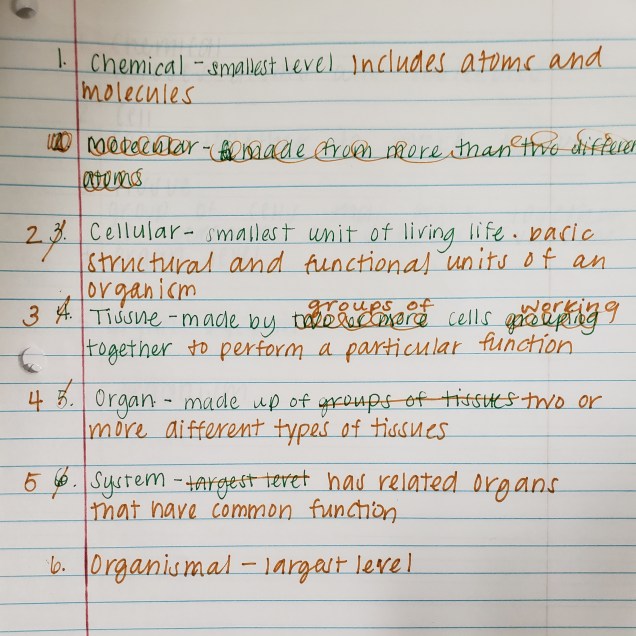
For this exercise in retrieval practice, I had students list the levels of organization in the human body from memory (they did this in green pen). Then they looked at their textbook and consulted with each other and fixed any mistakes they made (they made corrections in the brown pen). Afterwards we reviewed this together as a class. This is a great way for students to practice pulling information from their memories and for them to assess what they do and do not know.

I also want to mention that there is a list in my head of 10-20 new things I tried this year that were not successful or did not work well enough to mention in this list. There is also a list of old things I have done in years past that did work at all at my new school or with my new group of students or that didn’t translate well to online learning. Trying something new and having that lessons fail in front of students is always uncomfortable but I always feel like it’s better to try new things and fail than to not try at all. The global pandemic has made teaching less than optimal right now, but it’s also an opportunity to try and fail and succeed with new lessons, activities, and approaches.

What new things have you been trying out or hope to try out next year??? I would love hear about it in the comments!

signature

6 Ideas For The First Week of School


Graduation Pattern Facebook Cover-2Back to school time is both a scary and exciting time of the year for me. It’s scary when I think about the hard work and exhaustion the school year involves but I also feel the excitement of having brand new classes and students, seeing my colleagues again, and getting my classroom set up. When I first started teaching the first week was extremely hard to plan out. I’m so glad that I did my student teaching in during the fall semester instead of the spring semester (which was traditional in my college) because this gave me some ideas for how to structure my first couple of days of school. 4 years later, and after much trial and error, I feel like I’ve got a system down for a smooth first couple of days of school.

Below I’ve listed 6 things I do in all my classes in the first week of school. Now, these are things other than the standard going of the syllabus, setting up class rules, and handing out textbooks. These are little activities that I like to do to ease into the school year and that I’ve found that help me get to know my students, help them get to know me and each other, and give them an introduction to what my class will be like. Some of them also help me get set up at the beginning of the school year and help me see what academic skills or knowledge my students are coming to class with. Most of these ideas are not my own, but came from various teachers I’ve had or worked with. So if you’re looking for some simple things to do the first week of school read on!


  1. Notecards: I got this idea from my cooperating teaching during student teaching. The first day of school I give each student notecard and I have them write their name, their grade, and something about them on the card. Usually the something about them is something like, what is your favorite shoe or in between meals snack or color. I stay away from things like favorite TV show or movie or music which I feel makes student reveal too much of themselves before they know me or each other. (I would have been too embarrassed and shy to say what my favorite movie was in high school!). We then go around the room and share names and what they wrote on their cards. It helps me remember student names and get to know them just a little bit. Plus I keep those cards all year long and use them to randomly call on kids or divide them into lab groups!


  1. Student Survey: I used to use student surveys as a time filler and didn’t really take them seriously. I would glance over them during the first week of school, but never really read them purposefully. I realize now that student surveys can be powerful tools for getting to know students right at the beginning of the year. Today I truly believe that the key to a positive classroom environment is to build strong relationships with students and surveys are the first part of that. I make my student surveys short so that they don’t take too long to read but I try to put meaningful questions that go beyond what is your favorite food and color ect. Questions that help give me a glimpse into who they are.


  1. Games: I like play a short game with all my classes during the first or second day of school. I change it up depending on the class and the age group and I use it as a low stakes way to get kids thinking and/or talking to each other. I also think it helps break the ice and ease tensions on the first day. In one class I just do a simple trivia game that they work on with partners. I have also done classmate bingo (you can find a template here: https://www.educationworld.com/tools_templates/bingo.doc) and this dice game (https://www.youtube.com/watch?v=FqqnhnOqATY) which I love! The 4 questions they have to answer are questions about the other people in the group such as “What does the person across from you like to eat for breakfast?” or “What is one thing the person to your right like to do as a hobby?”


  1. Misconception Quiz: I got this idea from one of my college professors and I LOVE IT! Plus it’s incredibly relevant if you teach science! All you have to do is look up common misconceptions in science and put 10-15 of those misconceptions onto a piece of paper in the form of true/false questions. I try to pick things that I think kids believe. (My favorite it: “True or false: gluten is a processed ingredient used in unhealthy foods”. Most students will say true.) Have your students take that quiz and then go over the answers with them. Usually they are surprised by how many of the facts they through were true really are not. I then ask them why they think I would have them take this quiz and we discuss how basic scientific knowledge is important.


  1. Read: I like to get a grasp on my students’ reading comprehension skills right away. Within the first week, I pull out an article and have the class read it out loud together. I call on students randomly to read out loud and the rest follow along so that if I call their name, they are ready to pick up reading. After reading the whole article out loud, we talk about the main idea of the article and then I have them answer some basic multiple-choice questions that deal with reading comprehension. This allows me to see where their reading skills are at and helps me take note of any students who appear to be below the appropriate reading level right away.

6. Academic Integrity: This is something new that I am trying this year and the idea that came from Kevin Patton of the AP Professor blog. I HATE it when I catch or find out that kids have cheated on assignments I give them and this year I want to be proactive about academic dishonesty and use it as a teaching moment. This year I am going to specifically explain 3 was that students can be dishonest and how it is damaging to me, their classmates, and themselves. They are then going to sign a contract about maintaining academic integrity. You can read more about addressing academic integrity here: https://theapstudent.blogspot.com/2012/01/why-be-honest.html

As a high school teacher, I always felt the pressure to jump to content right away. And while I do believe getting into content is important,  I now like to spend the first couple of days intentionally getting to know my students and setting up my expectations for the year. I would love to hear what other teachers do! How do you structure your first week of school?

Again, the start of the year of the year can be incredibly stressful, scary, and overwhelming but it can also be a lot of fun with the anticipation of a brand new class of students. I hope you all start this school year feeling strong and ready to meet and connect with your new (or returning!) kids. Best of luck to you all!

signature